By D6 Family Ministry
In Part 1, we explored why the strongest volunteer teams are built long before they’re needed. Healthy ministries don’t simply recruit volunteers when positions open. They intentionally develop people throughout the year.
But how does that happen?
It begins by creating a culture where serving is connected to discipleship and where people are consistently invited, encouraged, and equipped to make a difference.
Personal Invitations Still Matter Most
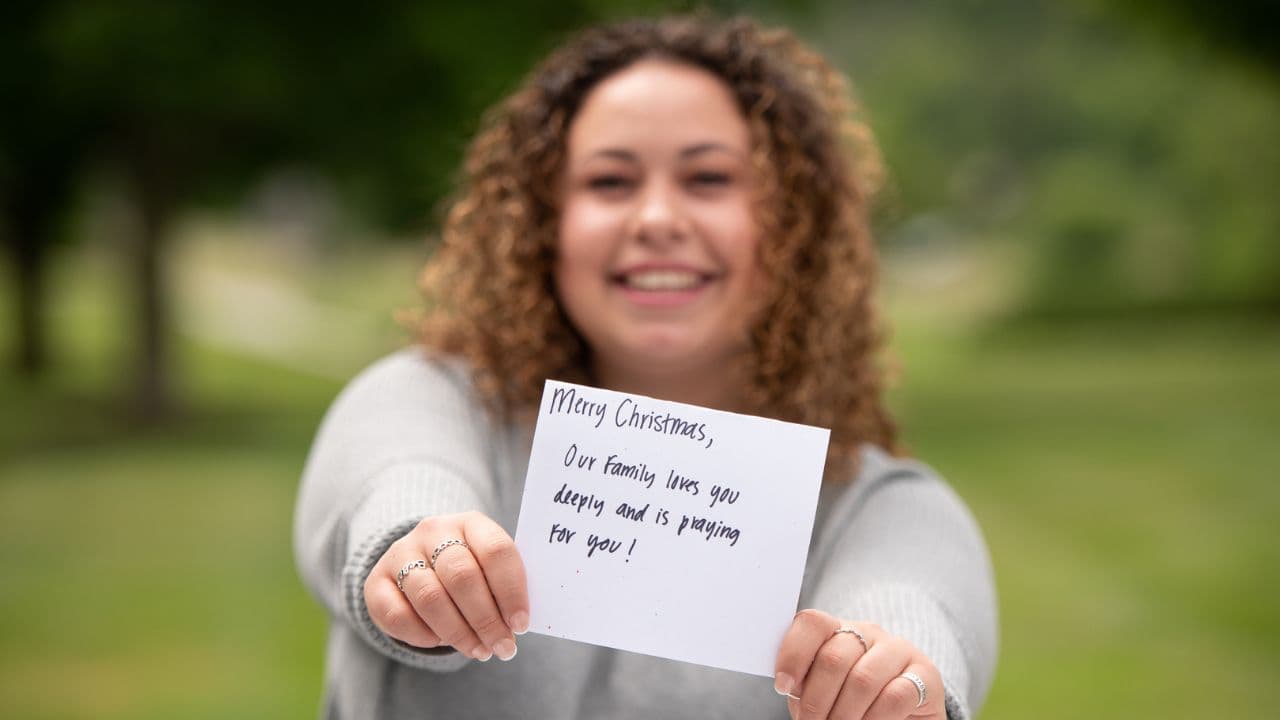
One of the greatest mistakes churches make is relying solely on announcements, bulletin inserts, social media posts, or volunteer fairs. Those tools can raise awareness, but they rarely replace a personal invitation.
Think about your own experience. Most people don’t begin serving because they saw a slide on a screen. They begin serving because someone saw potential in them and invited them to take a step.
People respond when they feel noticed. They respond when someone believes in them. They respond when someone connects serving to purpose.
Imagine the difference between these two approaches:
“We need volunteers in children’s ministry.”
Versus:
“I’ve noticed the way you connect with kids. I believe God could use you to make a lasting impact in a child’s life. Would you consider serving once a month?”
One communicates a need. The other communicates purpose. Purpose inspires commitment. Purpose creates ownership. Purpose helps people see how God may be calling them to serve.
The most effective volunteer recruitment strategy will always include personal conversations.
Volunteer Recruitment Is a Year-Round Strategy
The healthiest churches don’t have a volunteer recruitment season. They have a volunteer development culture.
Recruitment isn’t an event that happens once or twice a year. It becomes part of the church’s ongoing discipleship strategy.
Throughout the year they:
- Tell stories of life change.
- Celebrate volunteers publicly.
- Identify emerging leaders.
- Create low-risk serving opportunities.
- Encourage mentorship.
- Equip volunteers with practical training.
- Connect serving to discipleship.
These practices create momentum.
When people see lives being changed, they are more likely to join the mission. When volunteers feel valued, they are more likely to stay engaged. When leaders intentionally develop others, ministries become stronger and more sustainable.
The goal is not simply to recruit volunteers. The goal is to build a culture where serving becomes a natural next step in spiritual growth.
Building a Discipleship Culture Through Service
At D6 Family Ministry, we believe ministry is more than filling schedules and classrooms.
Every volunteer represents a potential disciplemaker.
Every small group leader, greeter, nursery worker, mentor, and teacher has the opportunity to help shape faith in the next generation.
That’s why volunteer recruitment should never be viewed as an administrative task. It’s a discipleship strategy.
When churches intentionally recruit, equip, and develop volunteers, they create an environment where biblical truth is reinforced by caring relationships.
Children have more mentors.
Students have more spiritual guides.
Families have more support.
And the church becomes stronger across every generation.
The impact reaches far beyond a Sunday morning schedule.
Volunteers become encouragers.
Mentors become spiritual guides.
Leaders become disciplemakers.
And ministry becomes multiplication.
Don’t Wait Until There’s a Crisis
If your church currently has enough volunteers, now is the time to recruit.
If every position is filled, now is the time to identify future leaders.
If ministry is running smoothly, now is the time to invest in relationships.
Waiting until there is a shortage often creates unnecessary pressure. Building relationships before the need arises creates long-term sustainability. Healthy churches are always looking ahead.
They understand that the next generation of volunteers and leaders is already sitting in the congregation.
They simply need someone to notice them, encourage them, and invite them into the mission.
The best volunteer teams aren’t built when the need becomes urgent.
They’re built through months and years of intentional discipleship.
Because the goal isn’t simply to fill a role. The goal is to help people discover their purpose, use their gifts, and participate in God’s work of transforming lives.
Don’t wait for a volunteer shortage. Build a culture where people are continually invited, equipped, and empowered to make disciples. That is how healthy volunteer cultures grow. And that is how churches build teams that last.